Understanding the difference between hand knotted vs hand tufted rugs is the most important decision a wholesale buyer makes – and the most commonly misunderstood one.
TL;DR
A hand-knotted rug is built knot by knot on a loom with no adhesive – lifespan of 25–100 years, suitable for high-traffic hospitality environments, and no humidity sensitivity. A hand-tufted rug uses a mechanical tufting gun and latex adhesive backing – lifespan of 10–15 years in dry conditions, shorter in humid coastal Australian environments (Sydney summers, Brisbane year-round) where latex degrades faster. NP Rugs wholesale pricing: AUD $1,200–$1,800 (tufted, 240×300 cm) vs. AUD $2,500–$3,500 (knotted, same size). Australia imports handmade rugs primarily from India, Nepal, and Iran; Nepal benefits from Australian GSP tariff exemptions. NP Rugs holds GoodWeave and Label STEP certifications – both required by Australian boutique retailers and hospitality buyers as a baseline in 2026, not a premium differentiator.
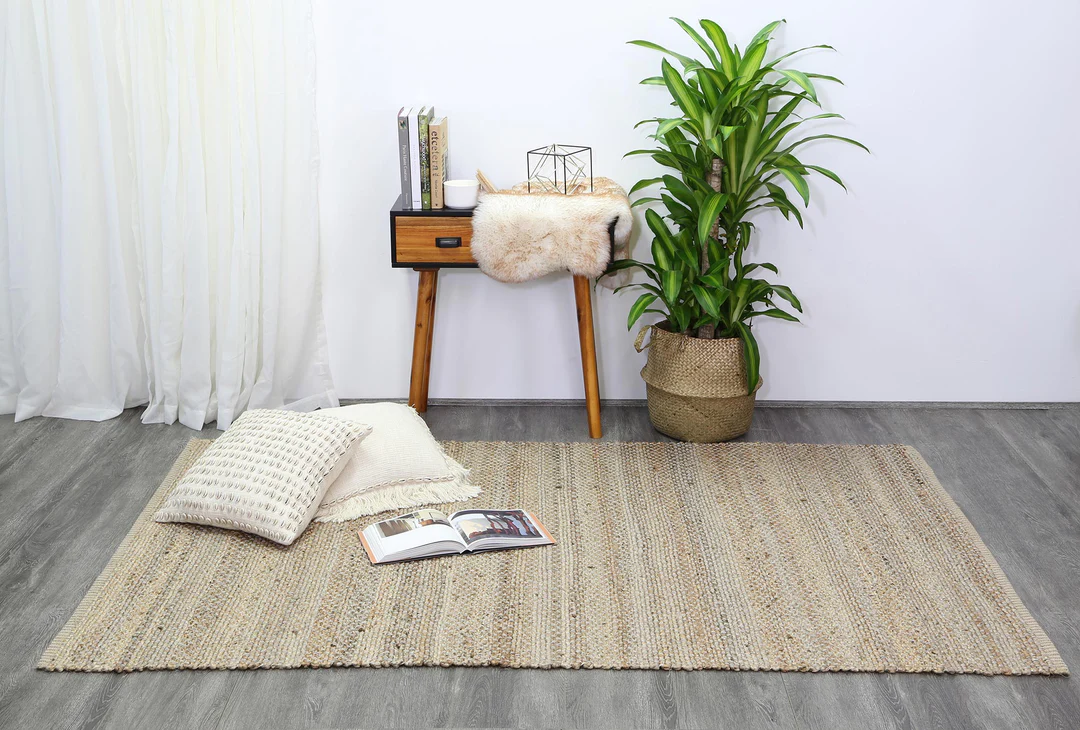
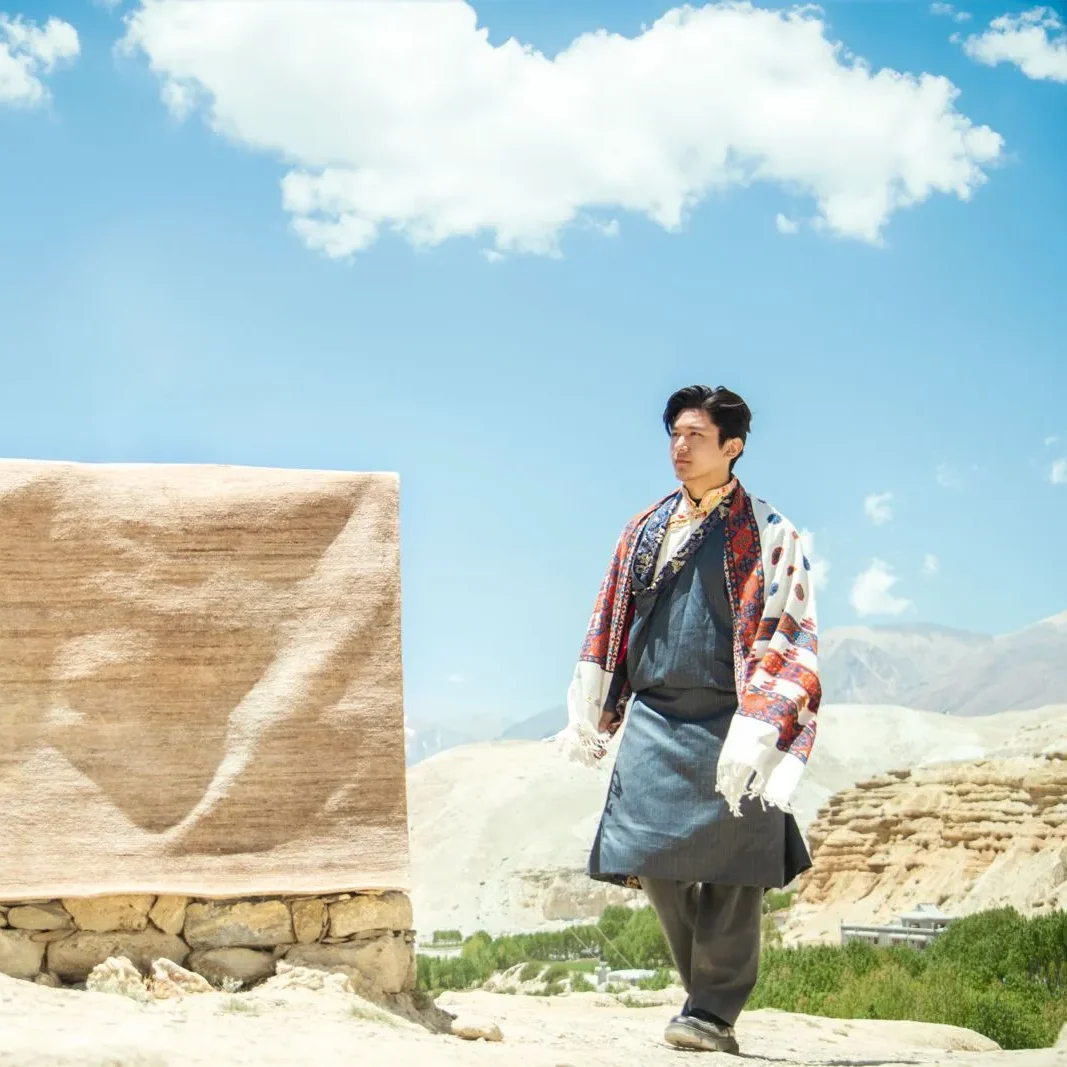
A hand-knotted Tibetan-knot rug from NP Rugs’ Kathmandu workshop
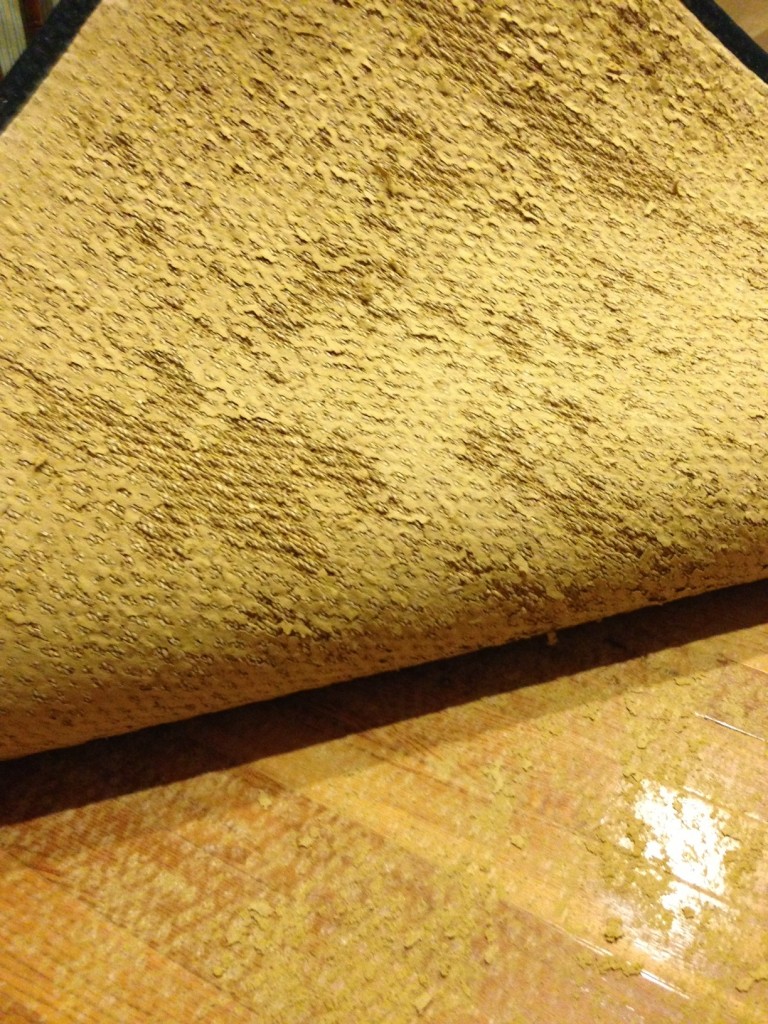
The latex layer on a hand-tufted rug – once this degrades, the rug cannot be repaired
The Byron Bay hotel that replaced its rugs in year four
A boutique hotel in Byron Bay installed hand-tufted rugs throughout its 14 rooms in 2020. By 2024, the backing was separating in three rooms — the ones with highest foot traffic and the most humidity exposure. The hotel manager described it as “that sandy powder under the rug.” Latex. The rugs were from a reputable supplier. It wasn’t a quality failure. It was construction.
Replacement in a boutique hotel means room downtime, disposal cost, and a new sourcing decision. The original “cost saving” over hand-knotted evaporated in year four. We’ve had this conversation with hospitality buyers in Byron Bay, the Yarra Valley, and Margaret River. The story is consistent.
Hand knotted vs hand tufted rugs: The construction difference, stated plainly
Walk the floor of any mid-to-high-end home furnishings trade show in Toronto or Vancouver and you’ll see both terms on spec sheets: “hand-knotted” and “hand-tufted.” They are often treated as equivalent. They are not.
Hand-knotted:
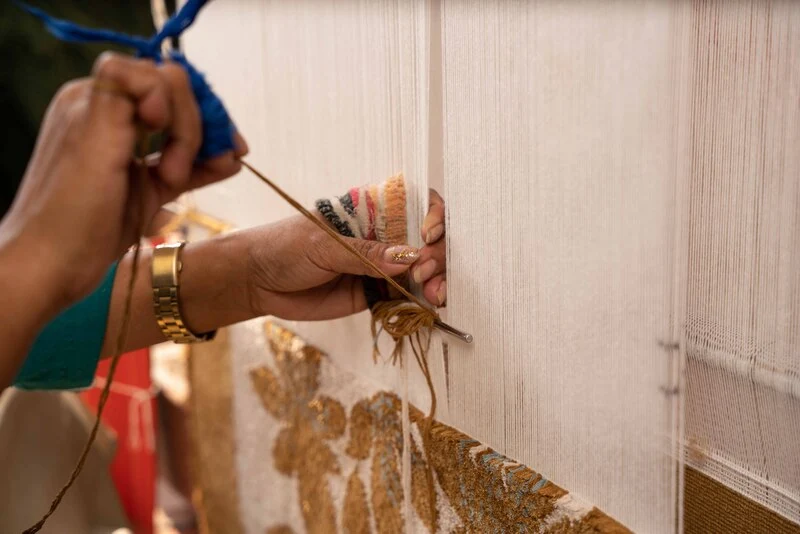
A weaver ties each knot individually around the warp and weft threads of a vertical loom — by hand, one at a time
A piece contains anywhere from 60 to 300 knots per sq.in.
Zero adhesive. No secondary backing. Production time: 3 to 6 months
Lifespan: 25 to 30 years at NP Rugs’ conservative specifications; well-maintained antique Nepali knotted pieces remain in active use after 80+ years
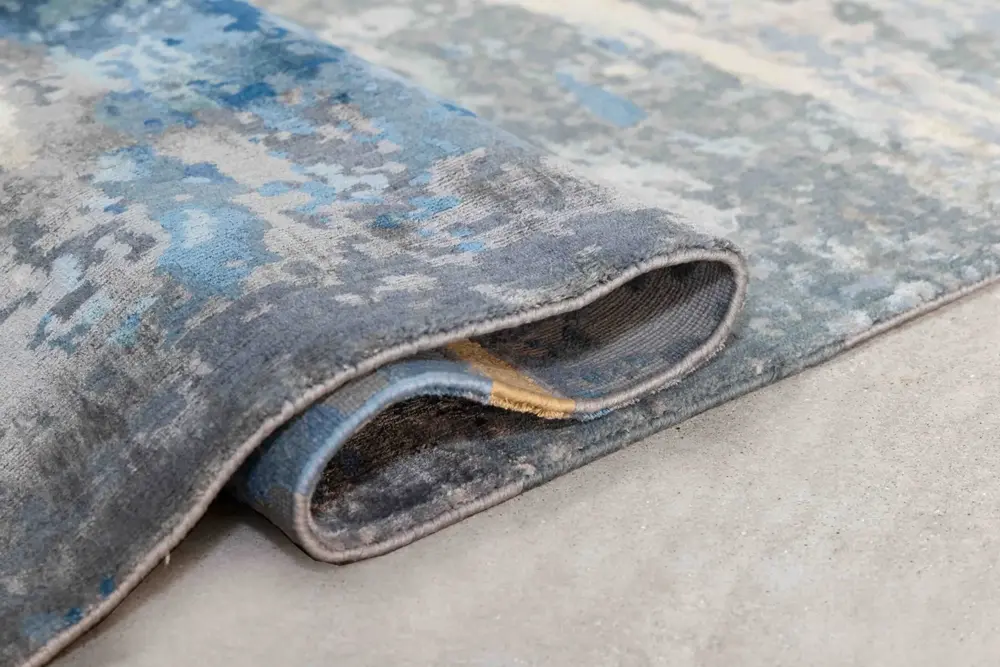
Knotted reverse: every knot tied by hand, no adhesive, no backing
Hand-tufted:
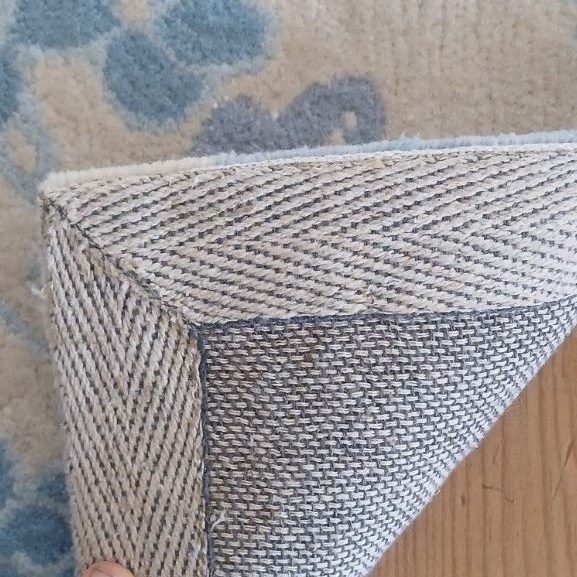
Tufted reverse: cloth panel covers the latex adhesive layer underneath
A design is stenciled onto canvas; a worker uses a tufting gun to push yarn through
Latex adhesive applied to the back; cloth backing pressed on to cover it
Production time: 1 to 3 weeks
Lifespan: 10 to 15 years at NP Rugs’ quality standard (above market average)
From the front, they can look nearly identical. Flip either one over and the difference is obvious.
What most buyers get wrong about “handmade” in the Australian market
The Australian premium interior design market in 2026 has largely closed the information gap on ethical sourcing. Most boutique buyers know to ask for GoodWeave. What they don’t always distinguish is construction method – and that gap is where expensive mistakes happen.
“Handmade” in product marketing covers both types. Both involve human labor. But when your hospitality client in Sydney’s inner suburbs installs a hand-tufted rug in a room doing 300+ guest nights per year, the lifespan clock starts ticking faster. Latex degradation is sensitive to foot traffic frequency and humidity. Sydney’s coastal humidity accelerates the process compared to dry inland conditions. Brisbane, year-round, is harder still on latex backing.
A hand-knotted rug has no latex. There is no backing to degrade. Nothing that reacts to humidity. In coastal Australia, that’s not a premium argument. It’s a practical one.
The other mistake: treating tufted as a lower-commitment option for hospitality because of the lower upfront cost. A hand-tufted rug in moderate hospitality foot traffic starts showing wear in 3 to 5 years. Replacement in a boutique property means room downtime and operational disruption. A hand-knotted rug in the same space, professionally cleaned every 2 to 3 years, runs for 25 years. One sourcing decision.
The wool argument is different in Australia
Australians understand wool in a way most markets don’t – its durability, temperature regulation, and moisture management are intuitive here.
Himalayan wool, the primary material in Nepali hand-knotted rugs, comes from sheep living at altitude with extreme temperature variation. It is naturally dense, resilient, and lanolin-rich. In a Sydney living room or a Melbourne apartment that runs air conditioning hard in summer, wool’s natural moisture management is a feature that synthetic pile alternatives don’t replicate.
Hand-tufted rugs also use wool frequently. The issue is the latex backing. Wool on top of latex adhesive, in humid coastal conditions, is not the same product as wool knotted directly onto warp threads with nothing underneath. The wool is fine. The latex isn’t.
Lifespan numbers for Australian buyers
Hand-tufted (NP Rugs)
Hand-knotted (NP Rugs)
Construction
Tufting gun + latex adhesive
Hand-tied knots, no adhesive
Production time
1–3 weeks
3–6 months
Wholesale price (240×300 cm)
AUD $1,200–$1,800
AUD $2,500–$3,500
Lifespan (dry climate)
10–15 years
25–30 years (conservative)
Lifespan (humid coastal)
5–10 years
25–30 years (unchanged)
Resale value
None
Retains and appreciates
Reversible
No
Yes
High-traffic suitability
Limited
Yes
GoodWeave certified
Yes
Yes
End-client replacement cycle
Every 5–12 years
25+ years
For Australian buyers supplying interior designers or boutique home stores: an end client buying a hand-knotted rug for AUD $2,500 makes one decision. An end client buying a tufted rug for AUD $1,200 makes the same decision again in a decade – and may make it with a different supplier. The knotted rug is a loyalty play. The tufted rug is a replacement cycle.
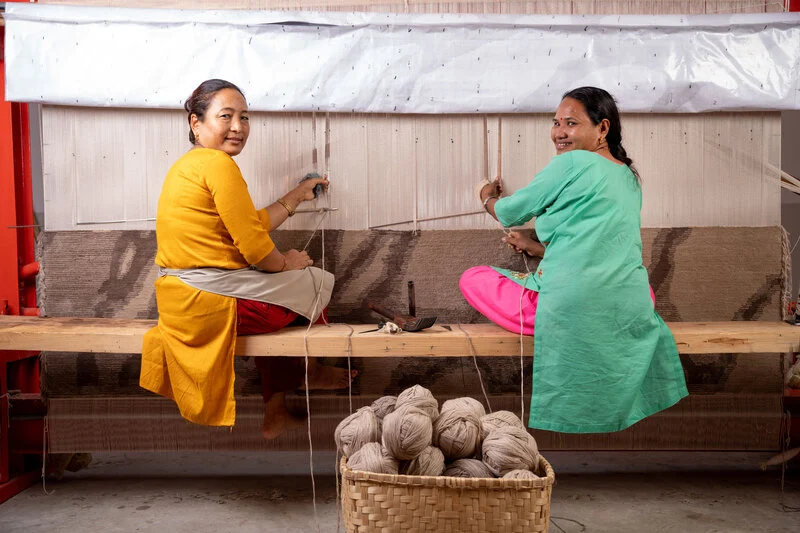
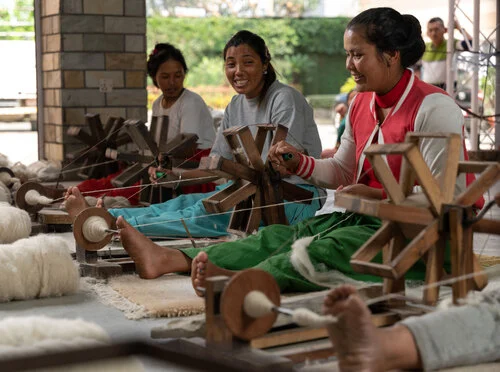
Master weavers at NP Rugs’ Kathmandu workshop – each knot tied individually on a vertical loom
What boutique properties are learning
Australia’s boutique hotel and short-stay accommodation market – Byron Bay, the Yarra Valley, Margaret River, Sydney’s inner suburbs – competes on interior design as a core guest experience driver. A hand-tufted rug in boutique accommodation with moderate foot traffic starts showing wear in 3 to 5 years. Replacement cost and room downtime are real operational costs. A hand-knotted rug in the same space lasts 25 years with periodic professional cleaning.
The per-night premium a well-designed boutique property charges correlates directly with product quality. Interior designers supplying those properties know this already. The buyers who are still defaulting to tufted because of the lower ticket price are discovering the error in year four.
Ethical sourcing: where the Australian market has moved
GoodWeave certification is the global standard for child-labor-free handmade rug production. Since 1995, GoodWeave has helped reduce child labor in Nepal’s carpet industry by approximately 75%. In the Australian premium market of 2026, GoodWeave is not a differentiator – it’s a baseline expectation from boutique retailers and their customers.
Label STEP covers fair wages, safe working conditions, and community welfare. NP Rugs holds both. When Australian retail clients ask “is this actually made ethically?” – the answer is yes, with verifiable certificate numbers, not a marketing claim.
How to tell them apart – three checks
Press the pile. A knotted rug feels firmer and denser underfoot. A tufted rug feels softer and slightly more yielding. The plushness is a short-term feature and a long-term fragility.
Turn it over. Knotted: pattern mirrored on reverse, individual knots visible, no backing material. Tufted: cloth or canvas panel covering the latex layer.
Check the fringe. Knotted: structural, the natural continuation of warp threads. Tufted: attached afterward as decoration.
Artisans at NP Rugs’ Sarlahi workshop – 100+ women-led, GoodWeave and Label STEP certified. Certificate numbers available on request to wholesale buyers.
How to identify construction before you buy
Flip the rug. Knotted: pattern mirrored on reverse, individual knots visible, no backing material. Tufted: canvas panel covering the latex layer.
Check the fringe. Knotted: structural, the natural continuation of warp threads. Tufted: attached afterward as decoration.
Smell it. A new hand-tufted rug sometimes has a faint latex or rubber smell in a warm room. Knotted rugs do not.
Why Nepal and why NP Rugs for Australia
Australia imports handmade rugs primarily from India, Nepal, and Iran. Nepal’s GSP tariff exemptions apply to Australian imports, affecting landed cost directly. According to NCMEA, Nepal’s handmade carpet industry has exported to 60+ countries for decades, with the Tibetan double-knot construction technique refined in Kathmandu over the past 60 years since Tibetan refugees brought the method in the 1960s.
NP Rugs has been manufacturing in Kathmandu since 1991. We are GoodWeave and Label STEP certified. We operate an Artisan Village in Sarlahi with 100+ artisans, women-led, working under fair trade standards. We ship direct to Australia with no minimum order requirement.
Our wholesale rugs catalogue covers both lines with Australian pricing and lead times. For hospitality buyers or designers building private label collections, our custom rugs programme handles everything from initial brief to final delivery.
FAQ
Does humidity in coastal Australia actually shorten the life of hand-tufted rugs?
Yes. Latex is moisture-sensitive. Sydney’s coastal humidity, and Brisbane’s year-round humidity, accelerate latex degradation compared to dry or climate-controlled environments. Hand-knotted rugs have no latex and are not affected.
What is NP Rugs’ lead time for Australian wholesale orders?
Stock items ship within 2 to 4 weeks from Kathmandu. Custom hand-knotted orders: 3 to 6 months production. We work with buyers on production calendars that fit retail and hospitality buying cycles.
Are NP Rugs suitable for high-traffic hospitality environments?
Hand-knotted rugs, yes – knots compact and tighten under foot traffic, and the rug can be professionally cleaned every 2 to 3 years for 25+ year lifespan. Hand-tufted rugs are better suited to lower-traffic residential settings. 12 weeks.
Can I order custom designs for a boutique property project?
Yes. We work regularly with interior designers and hospitality buyers on custom briefs. No minimum order – single pieces through to full runs. Lead time 3 to 6 months depending on design complexity.
NP Rugs ist ein GoodWeave- und Label STEP-zertifizierter Hersteller aus Kathmandu, Nepal. Seit 1991 exportieren wir handgefertigte Teppiche nach Deutschland und in über 60 weitere Länder. Großhandelsanfragen: nprugs.com/contact
A note from NP Rugs leadership
“Australia came to us through reputation, not a trade show. The first serious Australian buyers found NP Rugs because someone in Germany or the US told them who to call. That is still how most of our best relationships start. When I was President of the Nepal Carpet Manufacturers & Exporters Association, I spent a lot of time explaining to international buyers why Nepal was different from other origins. The Australian buyers who found us already knew. They had done their research. I respect that..”
Tenzing Sherpa , Chairman & Founder, NP Rugs | Former President, Nepal Carpet Manufacturers & Exporters Association (NCMEA)
“The Australian hospitality market is one of the most design-literate wholesale channels we work with. Interior designers here understand product quality at a level that makes the conversation easy. When I tell an Australian buyer that our hand-knotted rugs are specified for boutique hotel lobbies in Germany and the US, they understand immediately what that means for their own projects. The product does not need to be oversold. It needs to be correctly understood.”
To provide the best experiences, we use technologies like cookies to store and/or access device information. Consenting to these technologies will allow us to process data such as browsing behavior or unique IDs on this site. Not consenting or withdrawing consent, may adversely affect certain features and functions.
Functional
Always active
The technical storage or access is strictly necessary for the legitimate purpose of enabling the use of a specific service explicitly requested by the subscriber or user, or for the sole purpose of carrying out the transmission of a communication over an electronic communications network.
Preferences
The technical storage or access is necessary for the legitimate purpose of storing preferences that are not requested by the subscriber or user.
Statistics
The technical storage or access that is used exclusively for statistical purposes.The technical storage or access that is used exclusively for anonymous statistical purposes. Without a subpoena, voluntary compliance on the part of your Internet Service Provider, or additional records from a third party, information stored or retrieved for this purpose alone cannot usually be used to identify you.
Marketing
The technical storage or access is required to create user profiles to send advertising, or to track the user on a website or across several websites for similar marketing purposes.